AVA Law Group
HERNIA MESH IMPLANT INJURIES
AVA Law Group is reviewing potential claims of individuals who experienced painful complications after a hernia repair surgery.
In the last few years, health officials discovered models of hernia mesh implants can buckle and fail inside of the body, causing severe injuries. Due to dangerously defective hernia mesh designs, patients across the country have experienced painful complications including intense stomach pain, infections, organ erosion, and the need for another surgery.
If you or a loved one suffers from injuries caused by a defective hernia mesh implant, contact the hernia mesh injury lawyers at AVA Law Group for your free case evaluation. According to allegations, hernia mesh manufacturers created and sold dangerously defective hernia mesh products, and their negligence may entitle you to compensation to help you heal and recover from your injuries.


AVA Law Group
What’s a Hernia Mesh Implant?
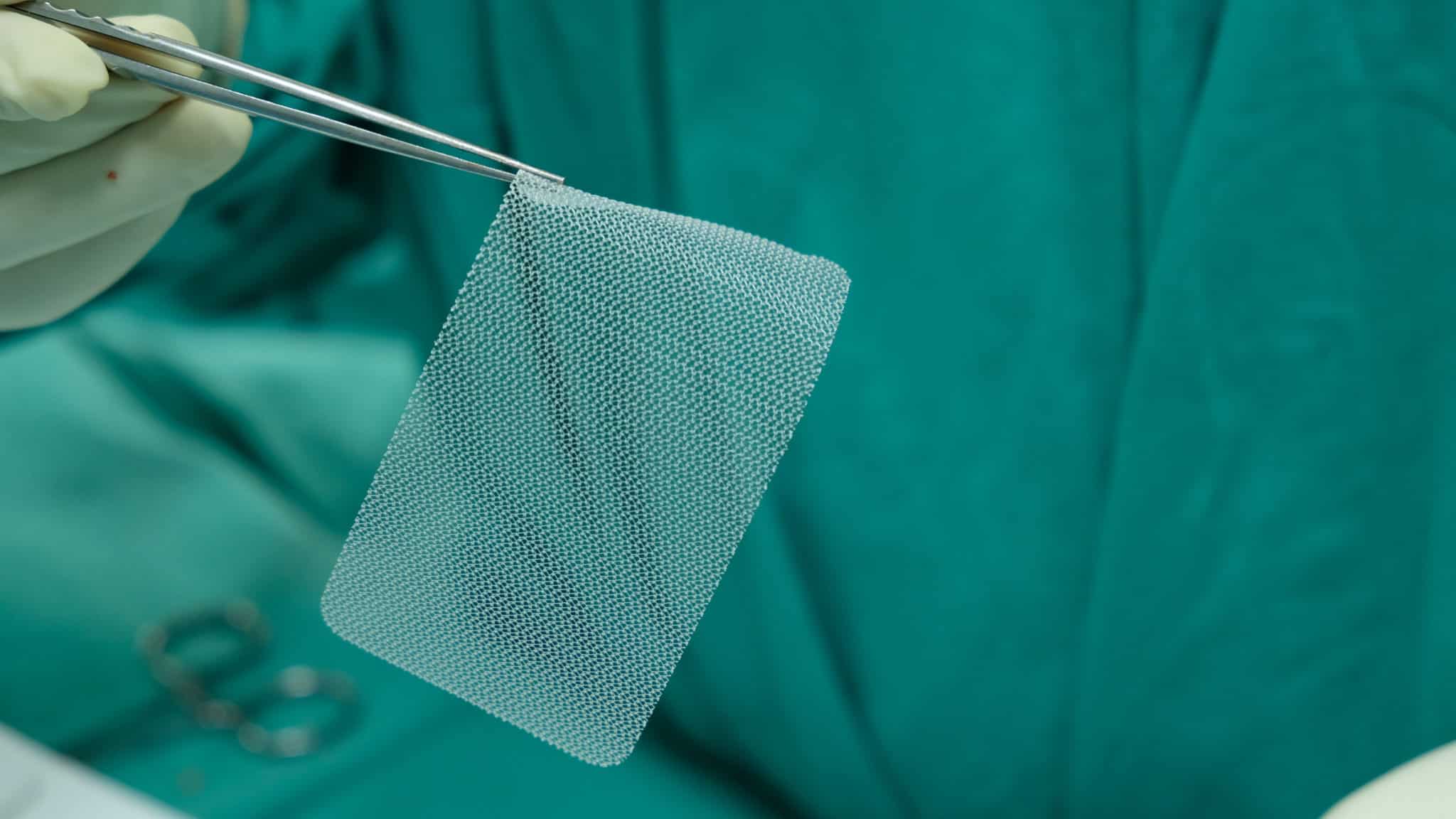
Hernia repair surgeries are one of the most common surgeries in the United States, with millions of procedures every year. During hernia repair surgery, a surgeon may use surgical mesh to provide added support to weak or damaged tissue. This mesh, referred to as hernia mesh implant, is used to fix hernias and lower the rate of hernia recurrence.
Common types of hernia repair include:
- Abdominal or ventral wall (ventral hernia)
- Around an abdominal incision or scar (incisional hernia)
- Inner groin (inguinal hernia)
- Upper thigh or outer groin (femoral hernia)
- Belly button (umbilical hernia)
- Abdomen (hiatal hernia)
Hernia Mesh Lawsuits
Many popular hernia mesh implant products contain a substance known as polypropylene. Polypropylene is a cheap type of plastic used in surgical mesh products to make up the framework of the mesh. For years using polypropylene mesh patches was considered the most reliable treatment for hernia mesh repair surgeries.
However, recent studies uncovered polypropylene can be harmful to use in patients. Researchers discovered polypropylene can contract and degrade over time when it comes into direct contact with patients’ bowels. This breaking down can lead to complete hernia mesh failure. When a mesh fails, the broken mesh and exposed hernia can cause severe injuries in patients, some of them requiring the need for painful mesh removal surgeries.
According to new evidence, hernia mesh implant manufacturers not only used dangerous plastic to make their mesh products but also conducted minimal research on the safety of their hernia mesh products before introducing them to the market. By using the FDA’s 510(k) approval, manufacturers could sell hernia mesh products that were “substantially equivalent” to previously approved mesh products. This means that manufactures are not required to do any clinical testing before selling a product if it is similar to a previously approved hernia mesh product. Due to this loophole, many hernia mesh manufacturers neglected to test the safety of their polypropylene products. Thousands of hernia mesh patients over the last few years may be at risk of hernia mesh failure from manufacturer negligence.
Hernia Mesh Complications and Injuries
Failed hernia mesh implants can cause a wide range of internal injuries. However, hernia mesh injuries and complications may vary based on where the mesh was placed during surgery. These complications can range anywhere from mild to severe to life-threatening. Injuries and complications associated with hernia mesh failure include:
- Meshoma
- Joint aches and pains
- Pain with sex
- Bowel obstruction
- Intense headaches
- Fistula
- Infection and sepsis
- Rashes
- Diarrhea
- Nausea
- Autoimmune disorders
- Renal failure
Dangerous Hernia Mesh Brands
Several manufacturers of hernia mesh implants have claims filed against them for negligence in creating dangerously defective products. The surgical mesh products on the list below are currently under investigation or have lawsuits associated with them for hernia mesh implant injuries:
- Composix Kugel Hernia Mesh by C.R. Bard
- Proceed Hernia Mesh by Ethicon (Johnson & Johnson)
- Pysiomesh by Ethicon (Johnson & Johnson)
- C-Qur Hernia Mesh by Atrium (Maquet-Getinge Group).

AVA Law Group
Hernia Mesh Implant Injury Lawyers
If you experienced complications after a hernia repair surgery, contact the hernia mesh injury lawyers at AVA Law Group today. We connect you with some of the best product liability attorneys in the United States, attorneys with proven track records of success for clients. Our lawyers fight aggressively for your right to recovery so you can focus on healing and getting back to the place you were before your injury.
To find out if a recalled hernia mesh implant may have been used for your surgery, contact AVA Law Group today for your free, no-obligation case evaluation. We ensure you talk with live professionals during your evaluation, so your information is handled with care and precision.

We make walking through the legal process easy
Problem Solving is our promise
We provide a team of attorney, paralegals, and case managers to clients at no upfront cost.
AVA Law Group eliminates the confusion of filing a claim by working on your claim and, if necessary, connecting you with one our many partner firms that fits your needs and will get you the best results.
We’re available 24/7 to provide you with the information you need about case qualification.