
AVA Law Group & Forever Chemicals
Protecting Your Right to Clean Water and a Healthy Environment
At AVA Law Group, we have extensive experience battling the federal government for victims of toxic water exposure at Camp Lejeune, giving us deep insight into the intersection of chemicals, environmental laws, and powerful defendants.
WE UNDERSTAND THE COMPLEXITIES OF ENVIRONMENTAL CONTAMINATION CASES, PARTICULARLY THOSE INVOLVING FOREVER CHEMICALS SUCH AS PFAS.
THESE PERSISTENT CHEMICALS AFFECT BOTH OUR HEALTH AND THE ENVIRONMENT, AND NAVIGATING THE LEGAL LANDSCAPE SURROUNDING THEM CAN BE OVERWHELMING. OUR TEAM IS HERE TO HELP YOU THROUGH EVERY STEP OF THE PROCESS—WHETHER IT’S SEEKING PERSONAL INJURY DAMAGES, JUSTICE FOR CONTAMINATION OF YOUR LAND OR WATER, OR CLAIMING YOUR PORTION OF MAJOR SETTLEMENTS THAT HAVE ALREADY BEEN REACHED.


AVA Law Group
What Are Forever Chemicals (PFAS)?
PFAS (per- and polyfluoroalkyl substances) are a large group of man-made chemicals used in a wide range of industries due to their resistance to water, heat, and grease. PFAS are commonly found in products like non-stick cookware, water-repellent clothing, firefighting foam, and food packaging. These chemicals are often referred to as “Forever Chemicals” because they do not break down naturally in the environment and can persist for decades.
What Are PFOA and PFOS?
- PFOA and PFOS are two of the oldest and most well-known of the PFAS
compounds. - PFOA (perfluorooctanoic acid) is a type of PFAS used in the manufacturing of non-stick cookware, waterproof fabrics, and other consumer products. It was widely produced until the early 2000s when concerns about its health effects led to its phase-out in the United States. However, it still persists in the environment and can be found in contaminated water sources.
- PFOS (perfluorooctanesulfonic acid) is another widely used PFAS, especially in firefighting foams and stain repellents. Like PFOA, its production was reduced in the U.S. after it was linked to various health concerns, but it remains a contaminant in water, soil, and air.
Today, according to the US EPA, there are over 16,000 PFAS chemicals. Because of their unique chemical properties, all PFAS are persistent and bioaccumulate, meaning they build up in the human body and the environment over time, leading to long-term health risks.
How Do People Get Exposed to Forever Chemicals?
PFAS are pervasive in the environment, making exposure almost unavoidable. Here are the primary ways people come into contact with these harmful chemicals:
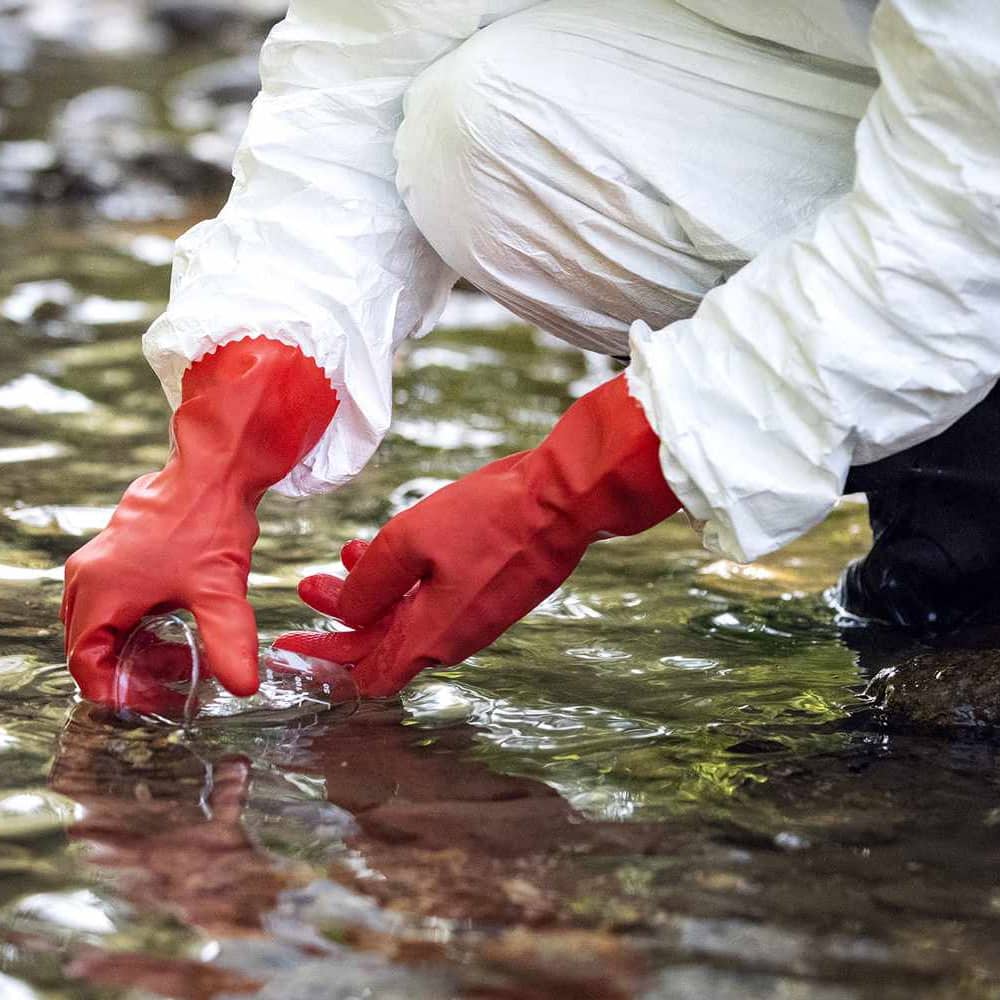
- Drinking Contaminated Water: One of the most common routes of exposure is through drinking water. Both private wells and public water systems can be contaminated with PFAS, as seen in the U.S. Geological Survey that estimates 45% of the nation’s tap water may contain at least one type of PFAS.
- Eating Contaminated Food: Foods can become contaminated in multiple ways, including through soil, water, and packaging materials. Crops grown in PFAS-laden soil or irrigated with contaminated water can absorb these chemicals. PFAS can also leach into food from packaging materials or cookware. Fish caught from contaminated rivers can contain PFAS. Dairy cows that drink contaminated water will give contaminated milk.
- Breathing Contaminated Air: PFAS can be inhaled in both outdoor and indoor settings. People who work with PFAS-containing ski wax, for example, can breathe in PFAS. Airborne PFAS can also be found in areas near industrial sites or military bases where firefighting foam has been used. Even household air can be contaminated by PFAS-treated products like carpets and fabrics.
- Skin Contact: Everyday items such as waterproof clothing, cosmetics, and personal care products may contain PFAS, leading to skin exposure. These chemicals are easily absorbed through the skin and accumulate in the body over time.
Once PFAS enter the body, they remain there for years, building up in the bloodstream and leading to cumulative health risks. This prolonged exposure increases the likelihood of developing serious health issues, including cancer.
The Toxic and Carcinogenic Nature of PFAS
PFAS are not only persistent—they are highly toxic. The EPA has classified several types of PFAS, such as PFOA and PFOS, as likely carcinogens, meaning long-term exposure can lead to cancer. In addition to cancers like kidney and testicular cancer, PFAS exposure has been linked to:
- Thyroid disease
- High cholesterol
- Pregnancy-induced hypertension
- Immune system suppression
Because these chemicals do not break down in the body, their harmful effects worsen with ongoing exposure.
A History of Corporate Negligence
Chemical giants like DuPont and 3M have known about the toxicity of PFAS since the 1970s but hid these dangers from the public. Only in recent decades have these secrets come to light, prompting litigation and regulatory actions. Today, more than 16,000 different types of PFAS are recognized, and many are linked to severe health conditions like cancer, thyroid disease, and high cholesterol.
The Legal Landscape: Federal and State Responses
The regulation of PFAS is an evolving field, with both federal and state governments stepping up efforts to address contamination.
Federal Laws on PFAS
In April 2024, the EPA introduced Maximum Contamination Levels (MCLs) for six key types of PFAS in drinking water, requiring public water systems to monitor and reduce PFAS levels by 2029. Additionally, PFOA and PFOS have been classified as hazardous substances under the Superfund law, which allows the EPA to hold polluters financially responsible for cleanup costs. While this is a step in the right direction, many PFAS compounds remain unregulated, and private wells are still vulnerable
Major PFAS Settlements: Public Water Systems and Fire Foam Contamination
In July 2024, a multi-billion dollar settlement was reached with DuPont, BASF, 3M, Tyco Fire Products, LP to assist U.S. public water systems dealing with PFAS contamination, specifically from aqueous film-forming foam used in firefighting. This settlement is complex and requires qualifying public water system to adhere to strict deadlines and follow detailed steps, in order to recover compensation for testing and clean-up. If the requirements and deadlines
in the settlement are not met on or before July 1, 2026, the public water system will lose their right to recover any damages.
This settlement offers an important financial lifeline for water systems burdened by the high costs of PFAS testing and cleanup.
It’s essential to work with legal professionals who understand the intricacies of this settlement to ensure your water system receives the compensation it deserves. Our team at AVA Law Group will guide you through the entire process, from determining eligibility to navigating the claims process, so you don’t miss out on your share of this massive settlement.

Your Rights: We Fight for Accountability
AVA Law Group specializes in helping individuals and public entities pursue compensation for PFAS-related damages. Whether you’re affected by water contamination or another form of PFAS exposure, we have the experience and dedication to secure the justice you deserve. Our goal is to ensure that polluters, not victims, bear the financial burden of cleanup and health impacts.

Montana: Protecting Our Natural Resources
Montana, known for its vast landscapes and pristine waters, is not immune to the effects of PFAS contamination. Public and private water sources, including wells and rivers such as the Yellowstone, have shown traces of these harmful chemicals. Areas surrounding military bases like Malmstrom Air Force Base and Fort Harrison are particularly affected due to the use of firefighting foam (AFFF), which is a major source of PFAS pollution.
Montana’s agricultural communities also face risks from PFAS contamination, which can affect crops grown in polluted soil or irrigated with contaminated water. Ski wax has also been shown to contaminate snow, which puts Montana’s ski resorts at risk. The state’s residents, both rural and urban, must contend with the reality of PFAS exposure in their drinking water, food, and environment.
At AVA Law Group, we are committed to protecting Montana’s natural beauty and ensuring that those responsible for contamination are held accountable. We work tirelessly to advocate for Montanans and preserve their constitutional right to a clean and healthful environment.

AVA Law Group
Ready to Take Action?
Whether you’re an individual, business, or public entity, our experienced legal team is ready to help you navigate the complexities of PFAS contamination and secure the compensation you deserve. Call us today for a consultation, and let’s fight for a cleaner, safer environment together.
Get In Touch
Phone: (406) 333-3333
Email: support@avalaw.com

We make walking through the legal process easy
Problem Solving is our promise
We provide a team of attorney, paralegals, and case managers to clients at no upfront cost.
AVA Law Group eliminates the confusion of filing a claim by working on your claim and, if necessary, connecting you with one our many partner firms that fits your needs and will get you the best results.
We’re available 24/7 to provide you with the information you need about case qualification.