Social Media Addiction Lawsuit
Can Families Sue Social Media Companies for Mental Health Harm?
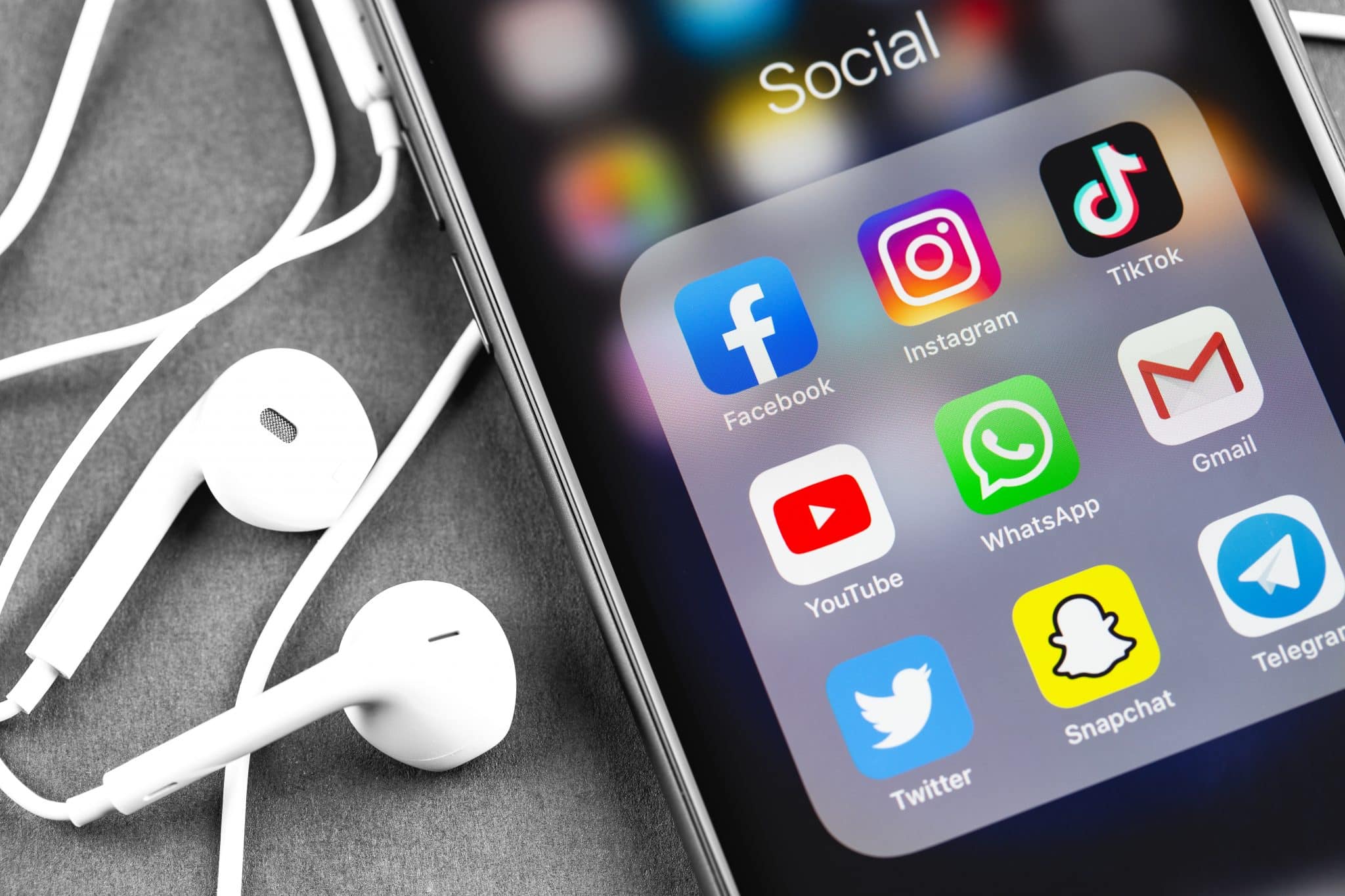
Families across the country have filed lawsuits against Meta, Instagram, Facebook, TikTok, Snapchat, and YouTube, alleging these platforms were intentionally designed to maximize engagement among young users despite known risks of depression, anxiety, eating disorders, self-harm, and suicidal ideation.
these cases are being litigated in federal courts through the Social Media Adolescent Addiction Multidistrict Litigation (MDL No. 3047), one of the largest product liability proceedings currently pending in the United States.
Free & Confidential Consultation
Nationwide Mass Tort Experience
Over $200 Million Recovered Nationwide
No Fees Unless We Win
Confidential & Secure Consultation

Why Are Families Filing Social Media Harm Lawsuits?
Parents are filing lawsuits because they believe social media companies prioritized user engagement and advertising revenue over child safety.
According to allegations raised in litigation, social media companies implemented features specifically designed to increase user retention and screen time.
These features include:
- Infinite scrolling
- Autoplay videos
- Push notifications
- Variable reward systems
- Personalized content recommendations
- Algorithm-driven engagement feeds
Plaintiffs argue these systems function similarly to behavioral reinforcement mechanisms that can encourage compulsive use patterns.
AVA Law Group provides confidential case evaluations so families can understand their options without pressure or obligation.
Alleged Mental Health Harm Linked to Social Media Use
- Depression
- Anxiety
- Eating disorders
- Body dysmorphia
- Self-harm
- Suicidal ideation
- Suicide attempts
- Bullying-related trauma
- Sexual exploitation
- Severe withdrawal / isolation

Adolescents are still developing impulse control and emotional regulation systems. Lawsuits allege that algorithm-driven content loops may have intensified vulnerabilities during critical developmental years.
Many families describe patterns of escalating platform use, sleep disruption, withdrawal from offline relationships, and declining academic performance.
A social media addiction lawsuit is not about blaming parents or children. It is about examining whether corporate design decisions contributed to foreseeable risks.

Worried Your Child Was Harmed by Social Media?
If your child developed depression, self-harm behaviors, eating disorders, or suicidal thoughts after prolonged platform use, you may qualify to participate in ongoing litigation.
Who May Qualify for a Social Media addiction Lawsuit?

Eligibility depends on the facts of each case. In general, families may qualify if:
- The child used one or more major social media platforms before age 18
- The child developed documented mental health conditions after prolonged use
- The child received medical, psychiatric, or psychological treatment
Platforms commonly referenced in MDL 3047 include Instagram, Facebook, TikTok, Snapchat, and YouTube, among others.
Statutes of limitation vary by state. Timing matters. A prompt review may help preserve your right to pursue a social media addiction lawsuit if appropriate.

Why Families Trust AVA Law Group
Nationwide Litigation
Client-Centered Approach
Contingency Fee Representation
We understand the emotional weight families carry in these situations.
Our role is to provide clarity, not pressure.
Request a Confidential Case Review

If your child suffered serious psychological harm after excessive social media use, you may have legal options.
Speak with our legal team in a confidential, no-obligation consultation. There are no upfront fees. We are paid only if we secure compensation on your behalf.
No Upfront Fees. No Obligation.